


 iGaming
RTP, Variance, and the Truth About Casino Slots
-
James Whitfield
-
20 November 2026
6 mins read
Comments
views
Every slot player has heard the phrase "loose machine" whispered over a bank of glowing cabinets at 2 a.m. It's one of gambling's most persistent myths, right up there with the idea that a hot table is about to cool down or that a machine is "due" for a payout. The truth is less romantic but far more useful: slots run on math, and once you understand that math, you stop chasing ghosts and start making smarter decisions with your bankroll.
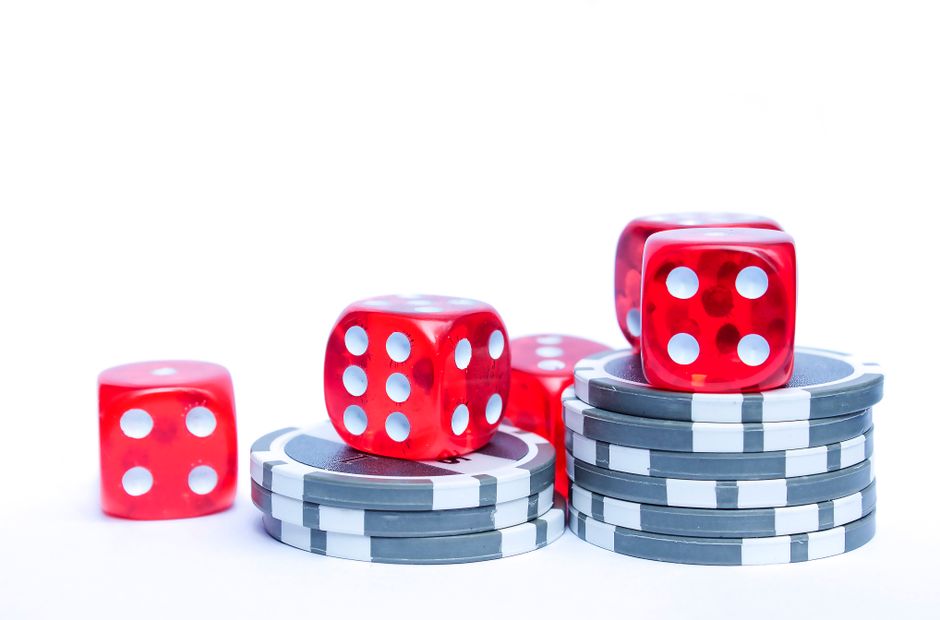
The Dice Have No Memory, and Neither Do Slots
Modern slots are powered by random number generators, software that cycles through thousands of outcomes per second. When you press spin, the RNG freezes on a result and the reels display it. Nothing about your previous 200 spins influences the 201st. This is called independence, and it is the single most important concept for anyone who plays regularly.
Why does independence matter? Because it demolishes two costly habits. The first is the gambler's fallacy, the belief that a machine is "overdue" after a dry spell. The second is its mirror image, the idea that a machine is "hot" and worth chasing with bigger bets. Neither holds up. A slot with a 4% house edge grinds that advantage on every spin, regardless of history.
None of this means slots are unbeatable in a single session. Variance is real, and short-term results can swing wildly. It simply means the long-run math does not care about your feelings, your rituals, or how long you've been sitting at the same cabinet. Anyone weighing up options should see สล็อตเว็บตรง.
RTP Is Your Best Baseline Metric
Return to player, or RTP, is the percentage of all wagered money that a game pays back over millions of spins. A 96% RTP slot returns 96 cents for every dollar wagered, on average, across an enormous sample. The remaining 4% is the house edge.
Not all RTPs are equal. Here's how the ranges typically break down:
- 97% and above: excellent, common in some video poker variants
- 95-96.5%: solid territory for mainstream video slots
- 93-94.9%: below average in most regulated markets
- Under 93%: weak, often found on certain jackpot-linked games
One catch: RTP is a long-term average, not a promise. You can play a 96% slot for three hours and lose 40% of your bankroll. That's variance doing its job. RTP tells you which games are mathematically kinder over time, not what will happen tonight.
A Quick Word on Jackpots
Progressive jackpot slots often carry lower base-game RTP because a slice of every wager feeds the prize pool. That's not necessarily bad, but it changes the deal. You are effectively buying a lottery ticket with each spin. If the jackpot is enormous and the base game is tolerable, it can be worth a look. If the base game sits at 92% and the jackpot is modest, walk away.
Variance Decides How the Ride Feels
Two slots can share identical RTP and feel completely different. Variance, sometimes called volatility, measures how wildly results swing around that average.
- Low variance: frequent small wins, slow bankroll drain, ideal for long sessions
- Medium variance: a balance of hit frequency and payout size
- High variance: rare but large wins, brutal dry spells, built for thrill-seekers with deep pockets
Here's a practical example. A low-variance slot might hit a win every 4 spins, mostly under your stake. A high-variance slot might go 60 spins without a single return, then pop a 300x multiplier. Both can be 96% RTP. Your experience depends entirely on which one matches your bankroll and temperament.
The rule of thumb: if you want to play for two hours on a modest budget, low or medium variance is your friend. If you're hunting a big score and accept the risk of busting fast, high variance delivers that experience. Neither is smarter than the other. They're just different tools.
Where Skills Actually Matter: Poker and Sports Betting
Slots are pure chance. Poker and sports betting are not, and that distinction shapes how serious players approach each.
In poker, the house takes a rake, but your edge comes from decision-making. A player who understands pot odds, position, and opponent tendencies can achieve a positive expected value over thousands of hands. The math is unforgiving to amateurs, which is exactly why disciplined players profit. Key skills include:
- Bankroll management: never buy into a game you can't afford to lose several times over
- Range thinking: estimating what hands an opponent could hold, not just what they represent
- Emotional control: tilt costs more money than bad luck ever will
Sports betting sits in between. Bookmakers build a margin into every line, typically 4-8% on major markets. Beating that margin requires either superior information, sharp modeling, or exploiting soft lines before they move. Casual bettors who bet on favorites because they "feel right" are donating to the house edge one ticket at a time.
The Line Movement Clue
If a line moves sharply against public money, it usually means sharp bettors have weighed in. Tracking these movements is one of the few genuinely useful edges available to casual bettors, though it requires access to real-time odds and the discipline to act fast.
Bonuses, Wagering, and the Fine Print That Bites
Welcome bonuses look generous until you read the terms. A 100% match up to $500 with a 40x wagering requirement means you must bet $20,000 before withdrawing a cent of bonus money. At a 4% house edge, that's an expected loss of $800. Suddenly the "free" $500 doesn't look so free.
Slots usually contribute 100% toward wagering requirements, while table games like blackjack and baccarat often contribute 10% or less because their house edge is lower. Some casinos exclude certain games entirely. Before claiming any bonus, scan for three things:
- Wagering multiplier and whether it applies to bonus only or bonus plus deposit
- Game contribution percentages
- Maximum win caps and expiration windows
A bonus can still be worthwhile if the terms are fair and you were going to play anyway. It stops being worthwhile when you change your habits to chase a bonus you can't reasonably clear.
Final Thoughts: Play the Math, Not the Myth
The gap between frustrated gamblers and content ones usually comes down to expectations. Slots are entertainment with a built-in cost, much like a concert ticket. If you treat them as a random donation to the casino, you'll resent every dry spin. If you treat them as paid entertainment with a known price, you'll enjoy the ride and know when to stop.
Poker and betting offer a different bargain. They reward study, discipline, and emotional control. But they also punish ego faster than any slot ever could. Whatever you play, know the number, respect the variance, and never bet money you need for something else. The math doesn't care about luck, but it does reward players who bother to learn it.

Lena Marcelline
Culture & Lifestyle WriterTheo’s work connects emotion and design, turning ideas into conversations that inspire new ways of seeing.
Weekly trending


Spotlight
Understanding why cats knead with their paws
Best wet foods for senior cats with sensitive stomachs
Daily grooming routines for long-haired cat breeds
Recognising common signs of illness in cats early